
Initiatives

Nobody gets there on their own.

Mentorship pairs students with the educators and professionals who have already walked the path they are trying to find — so the next decision is made with someone, not alone.

Why it matters

The gap is rarely ability.

A student in Uganda or South Sudan can be the strongest mathematician in their class and still have no idea what an engineer does all day, which subjects a degree needs, or whether anyone like them has done it before. That is not a gap in talent. It is a gap in exposure and in networks — and it is the one a mentor closes.

Mentorship runs alongside the other programmes rather than instead of them. A scholarship pays the fees; a mentor is the person a student can ask what to do next.

Two sides of the same pairing

The programme is written down twice — once for the person giving time, once for the student receiving it.

What a mentor does

Volunteer mentors are educators, engineers, scientists, and graduates who give time to a student. The work is conversation more than instruction: what the job is actually like, which subjects matter, how an application is put together, and what to do when a plan does not survive contact with reality.

You do not have to be in the room. Mentoring happens face to face where the programmes run, and by phone or video from anywhere else.

Sign up to mentor
What a student gets

Member students are matched with someone working in the field they are curious about. Over a cohort, that becomes guidance on subject choices, university applications, and career direction — plus the thing no syllabus provides: a working adult who takes the question seriously.

Mentorship is open to students already in a foundation programme — the Youth STEM School, the Science Fair, or a scholarship.

See the Science Fair

2026/27

The mentorship handbooks

Both sides of the pairing get a handbook for the year. They are dated 10 September 2026 and prepared by Joshua Mutesasira in Kampala.

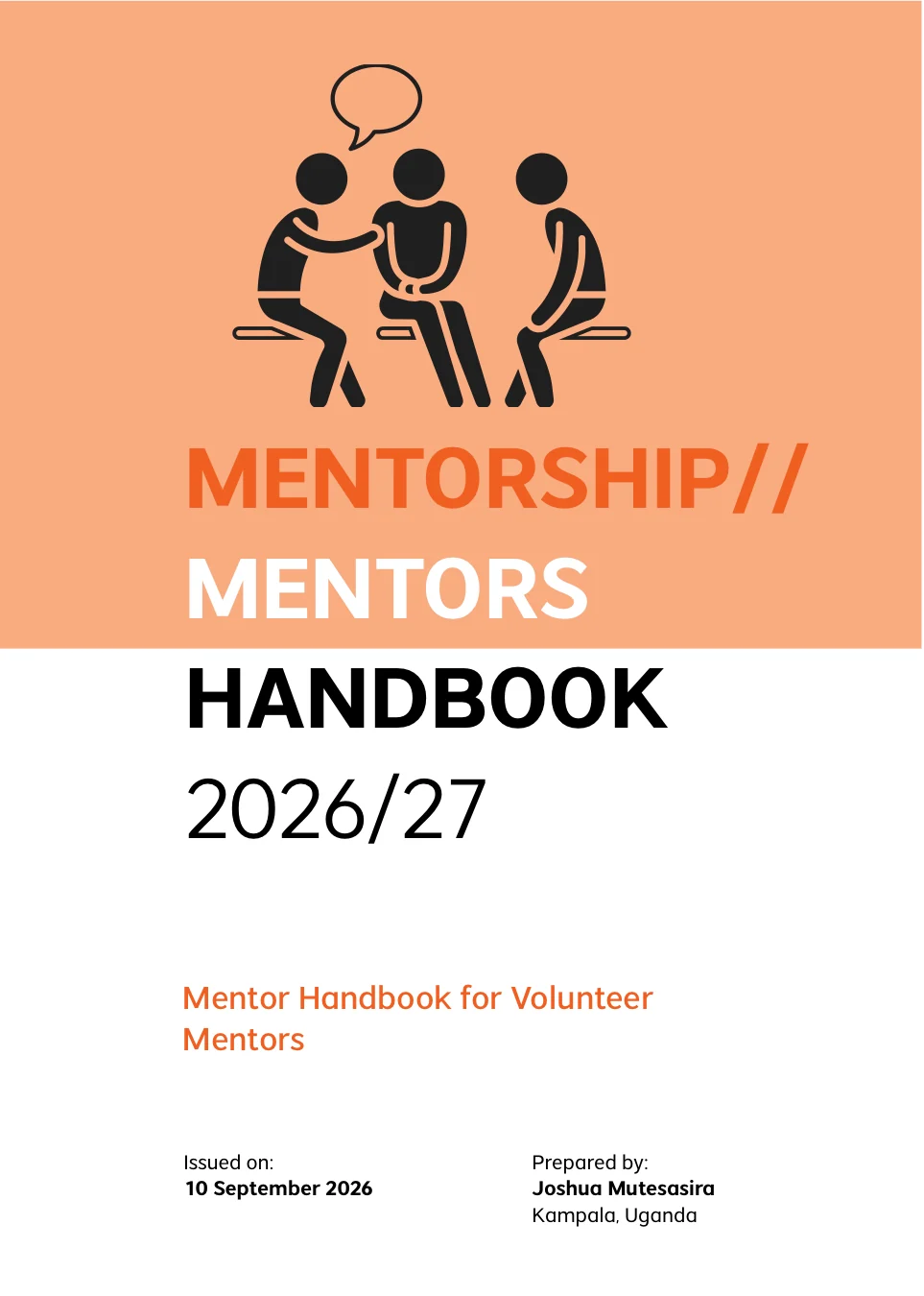
Cover of the Jdiobe STEM Foundation Mentor Handbook 2026/27

For mentors

Mentor Handbook

Mentor Handbook for Volunteer Mentors

Download the handbook
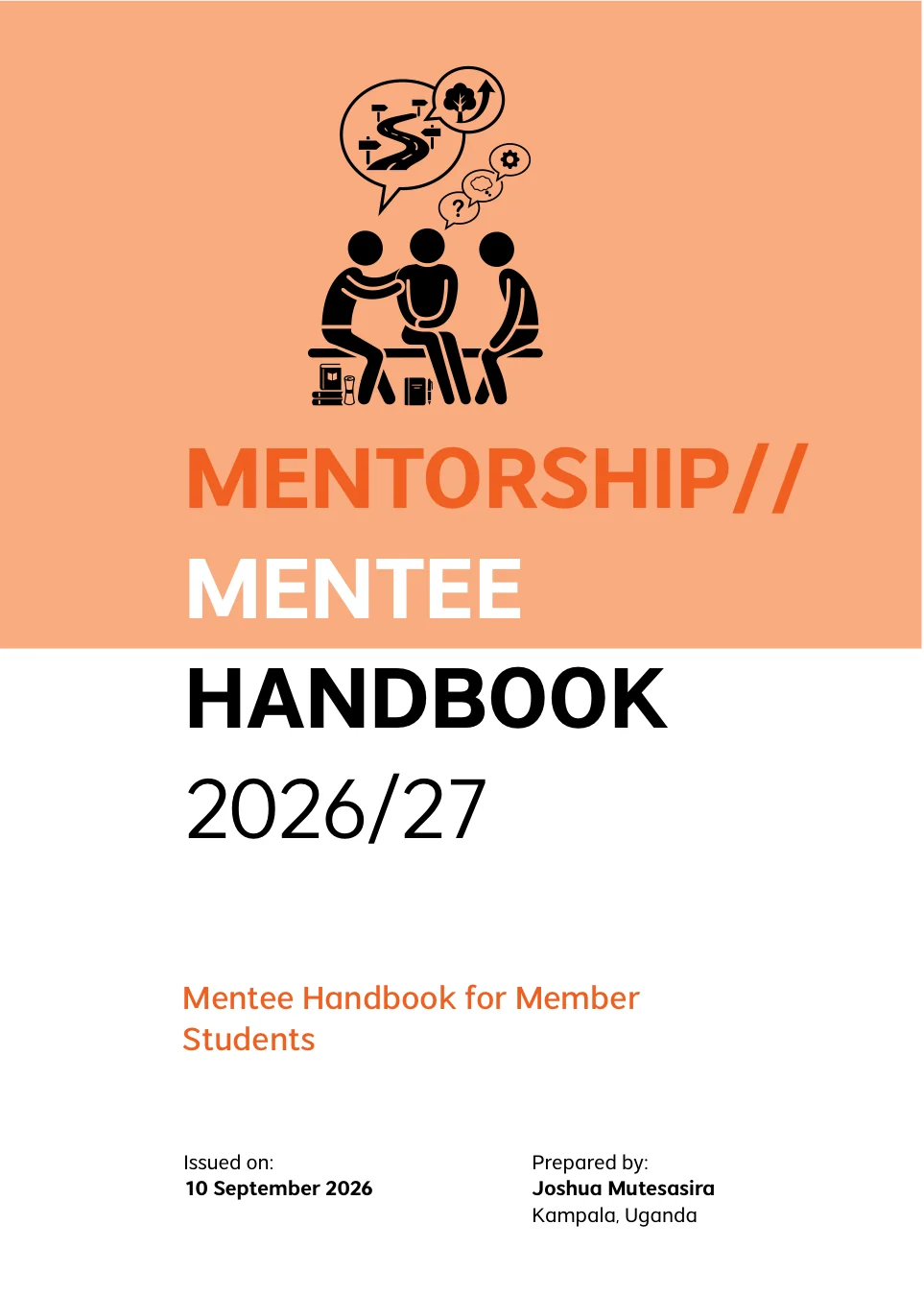
Cover of the Jdiobe STEM Foundation Mentee Handbook 2026/27

For students

Mentee Handbook

Mentee Handbook for Member Students

Download the handbook

Free to download and free to pass on — print a set for a school, or send one to a student who needs it. Questions about the programme? Get in touch.

Could you be the person a student asks?

Pick Mentorship as your area on the volunteer form. The team will be in touch to work out what fits.

Become a mentor
Rose Auma, Senior Civil Engineer and mentor at Jdiobe STEM Foundation

A mentor

Rose Auma

Senior Civil Engineer

A Senior Civil Engineer specialising in dam safety and structural engineering. Rose brings professional practice and academic training together to help students see a concrete path from classroom STEM into engineering careers.

Meet the team

Where it runs

Uganda

Scholarships, hands-on STEM, and student-led innovation — mentorship runs alongside all three.

Our work in Uganda

South Sudan

Teacher training, equipment access, and mentorship, as the programmes extend across the border.

Our work in South Sudan